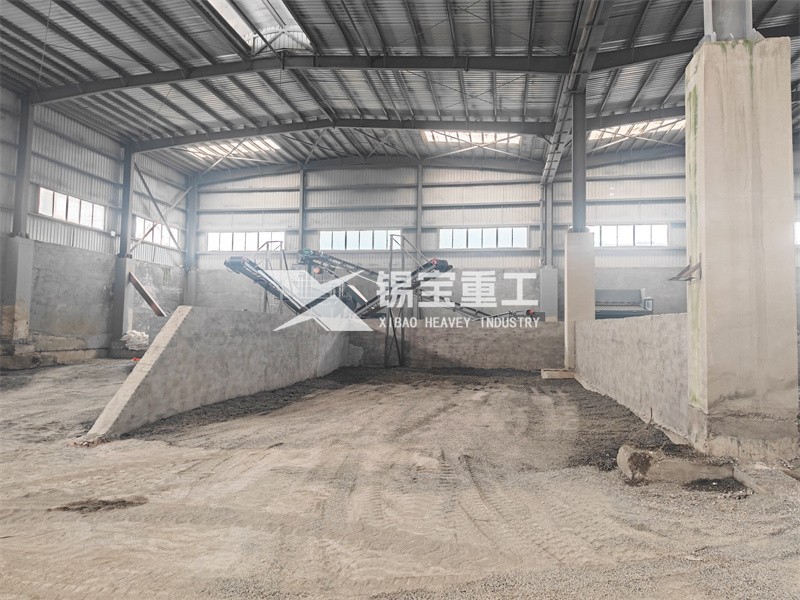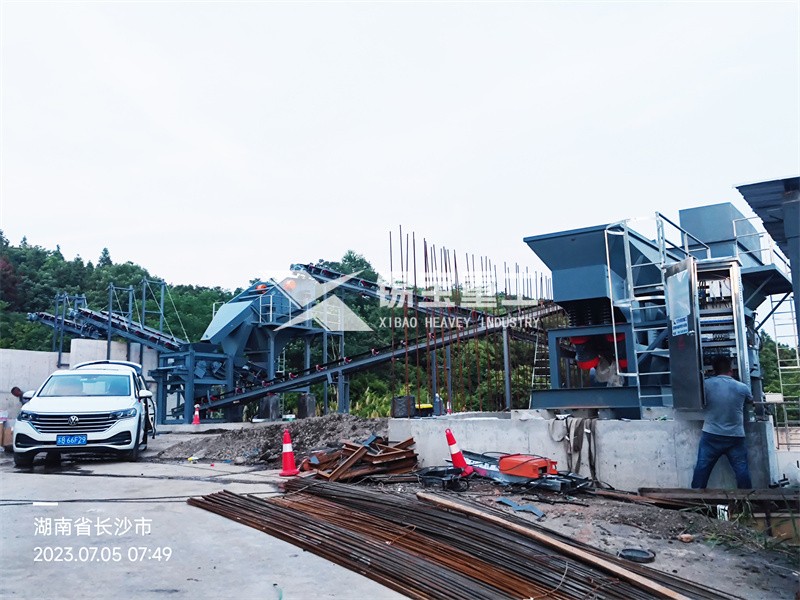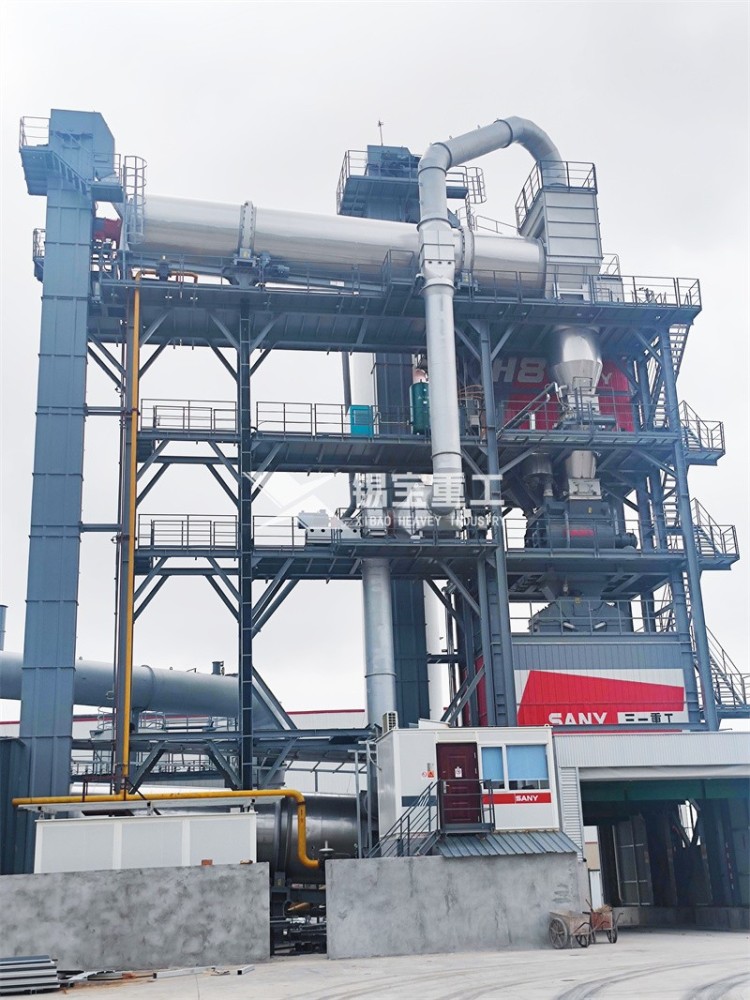
Heavy duty milled asphalt crusher is built to withstand harsh, unpredictable working conditions on construction sites. Road rehabilitation, urban renewal and pavement repair projects generate large volumes of sticky, lumpy milled asphalt after milling operations. Ordinary light crushing equipment often jams, wears quickly or breaks down under continuous site workloads. A heavy-duty model delivers stable crushing power, handles oversized asphalt chunks, and turns raw millings into qualified RAP for reuse directly on site. For road contractors, this robust machine helps keep construction schedules on track while cutting waste disposal and raw material costs.
What Makes A Crusher Heavy Duty For Jobsite Use
Construction sites come with uneven ground, variable material quality, long working shifts and limited maintenance windows. Heavy duty milled asphalt crushers are engineered for these tough environments. Thick welded steel frames, reinforced crushing chambers and premium wear-resistant liners protect the core components from impact and abrasion.
Unlike general crushing machines, these units adopt anti-clogging rotor structures specially optimized for sticky aged asphalt. Even in warm weather when asphalt binder softens, the machine maintains smooth material flow and reduces frequent blockages. Key parts such as hammers, rollers and liners use high-strength alloy materials, extending service life and lowering unexpected downtime during peak construction periods. Many designs also add protective covers, dust suppression systems and easy-access maintenance panels for field service.
Common Construction Site Applications
Heavy duty milled asphalt crushers serve a wide range of road and civil construction jobsites. They are widely deployed for highway rehabilitation, urban road resurfacing, county pavement renovation, parking lot reconstruction and shoulder repair works.
On large road projects, the crusher processes milled asphalt from cold planers immediately after milling. Processed RAP can be used for road base layers, cold recycled mixes or sent to on-site asphalt mixing units. For scattered urban construction sites, heavy duty portable versions can handle intermittent batches of asphalt millings without sacrificing output stability. It is also suitable for temporary stockyard crushing at medium and large construction bases, where consistent throughput is required day after day.
On-Site Advantages For Road Contractors
Bringing heavy duty milled asphalt crusher to construction sites creates clear operational benefits. On-site crushing eliminates repeated hauling of bulky milled asphalt to distant recycling yards, saving fuel, truck rental and landfill charges. Contractors can reuse the crushed RAP within the same project, reducing purchases of virgin aggregate and fresh bitumen.
Consistent crushing performance also improves construction quality control. Operators can adjust discharge gaps on demand to produce RAP that matches project grading specifications. Reliable heavy-duty equipment reduces work interruptions caused by machine failures, which is critical for projects with tight deadlines and penalty clauses for delays. In addition, recycling milled asphalt on-site helps contractors meet local environmental requirements for construction waste reduction.
Mobile And Stationary Heavy Duty Options
Heavy duty milled asphalt crushers are available in mobile and stationary configurations to fit different construction site layouts. Tracked or trailer-mounted heavy-duty mobile crushers can move across rough site terrain, relocate between different work zones and start crushing without complicated foundation installation. They are the preferred choice for distributed road repair jobs.
Stationary heavy-duty crushing systems are suitable for fixed construction bases or permanent recycling yards supporting multiple projects. They support higher hourly throughput and can connect with feeders, screens and conveyors to form closed-loop crushing lines. Contractors select the type based on project scale, site space, material supply cycle and transportation conditions. Both versions retain the heavy-duty core structure for handling sticky milled asphalt.
Key Points When Choosing Jobsite Asphalt Crushing Equipment
When selecting a heavy duty milled asphalt crusher for construction sites, first confirm the maximum feeding size and hourly capacity to match your milling output. Prioritize anti-blocking design, because sticky asphalt is the most common cause of downtime on road jobs.
Evaluate the ease of maintenance. On construction sites, repair work needs to be finished quickly between shifts. Models with quick-change wear parts simplify field maintenance. Power options also matter: diesel-driven units work for remote sites without grid power, while electric heavy-duty crushers cut operating costs for fixed yards. It is also recommended to check optional accessories including magnetic separators, dust suppression and stacking conveyors according to local construction codes.
Frequently Asked Questions
Can heavy duty milled asphalt crusher handle wet and sticky asphalt millings?
Yes. The heavy-duty anti-clogging crushing structure is designed for viscous aged asphalt. It reduces sticking and blockage better than standard stone crushers, though stable feeding speed is still required for best results.
Is heavy duty mobile crusher hard to transport on construction sites?
Tracked heavy-duty models travel freely on rough ground, while trailer versions can be towed by trucks. Most designs keep transport dimensions compliant for highway movement between construction projects.
What finished sizes can be produced for site paving works?
Discharge particle size is adjustable. Common finished RAP gradations include 0–20 mm and 0–30 mm, suitable for road base, subbase and hot mix blending under local road standards.
Get Heavy Duty Crushing Solutions For Your Construction Site
If you are searching for reliable heavy duty milled asphalt crusher for construction sites, our RAP crushing machines are built for continuous jobsite operation. Reinforced structure, anti-clogging design and flexible configuration options help road contractors process milled asphalt efficiently. Contact our engineering team to get capacity parameters, layout plans and on-site project references.
Tags: