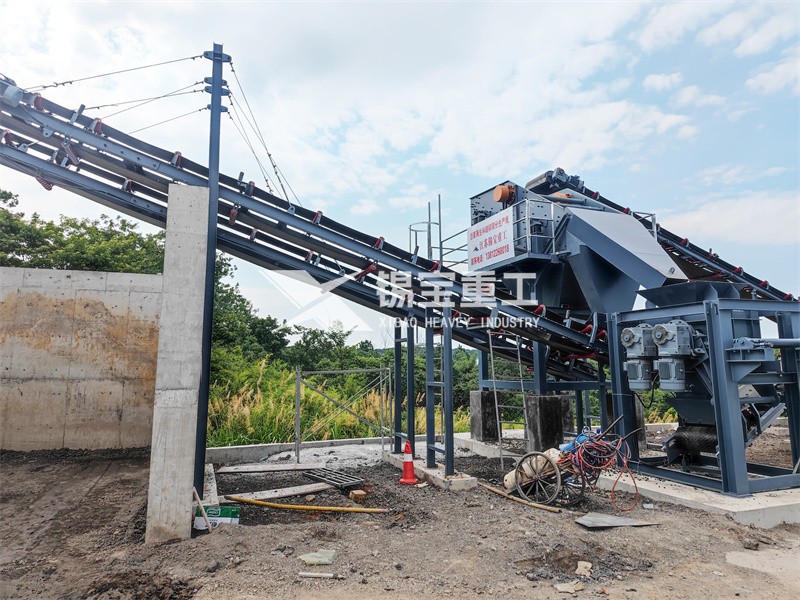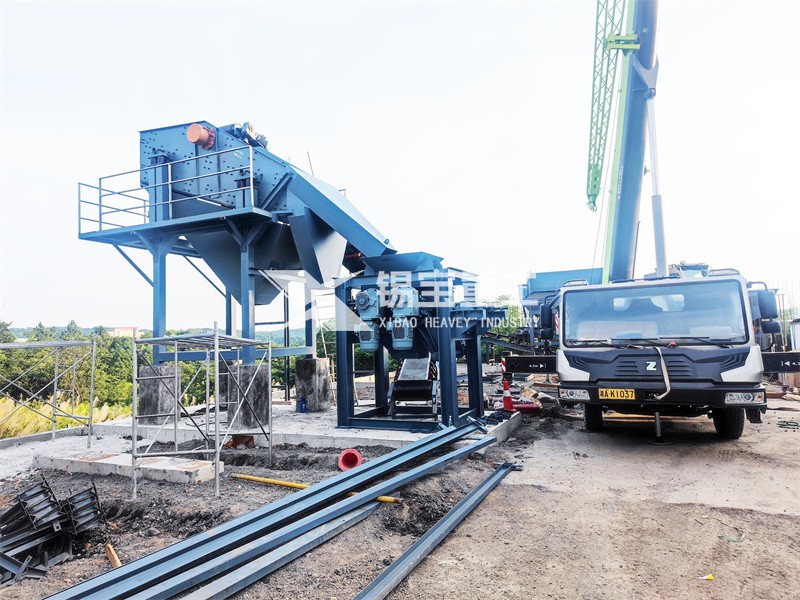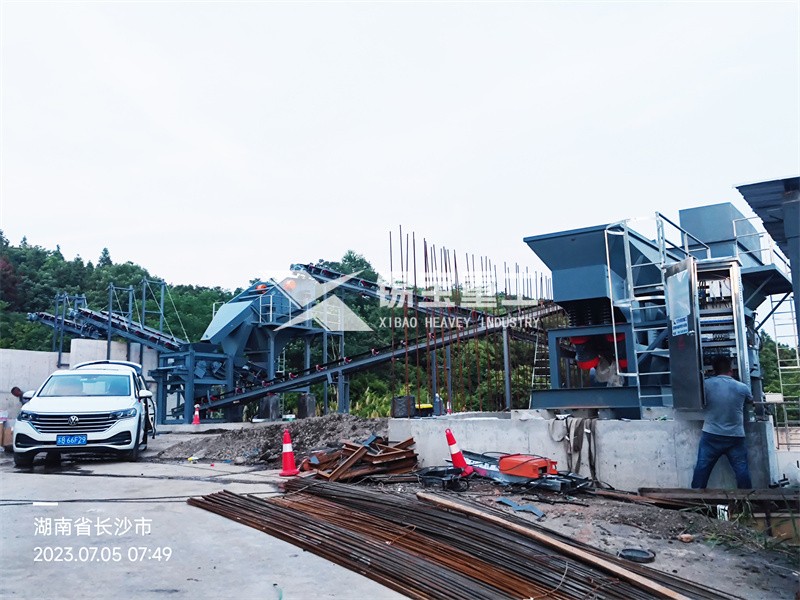
Stationary milled asphalt crusher is the core equipment for large-scale, consistent RAP processing at fixed recycling yards and asphalt mixing plants. Milled asphalt collected from road milling works contains clumped, sticky aged asphalt chunks. Without stable crushing and grading, these materials cannot meet the strict particle requirements for hot mix asphalt or road base courses. Designed for continuous batch production, stationary RAP crushing systems turn bulk milled asphalt into uniform, spec-compliant reclaimed asphalt pavement, helping asphalt producers and road contractors maximise RAP reuse rate and stabilise finished mix quality.
Stationary RAP Crushing vs Portable Milled Asphalt Crusher
Many road contractors choose portable crushers for roadside highway maintenance, but stationary crushing lines serve a completely different production model. Mobile units are built for flexible relocation and short-term jobs, while stationary milled asphalt crushers focus on long-term, high-volume processing at a fixed yard.
A stationary system can run steadily for long shifts, with integrated feeding, crushing, screening and conveyor circulation. Oversized chunks can be returned automatically for re-crushing, which is hard to achieve on compact portable machines. If your business runs an asphalt plant or central RAP stockyard that receives milled asphalt from dozens of road projects, a stationary crushing setup delivers better consistency and higher hourly throughput.
Core Structure of Stationary Milled Asphalt Crushing Line
A complete stationary milled asphalt crusher system is assembled as a closed-loop production line. It usually includes a feed hopper and vibrating feeder, a dedicated asphalt crushing unit, multi-deck vibrating screens, belt conveyors and stacking equipment. Dust suppression systems and central electric control cabinets are commonly fitted for stable and eco-friendly operation.
Unlike ordinary stone crushers, this crusher is optimised for sticky milled asphalt. Special anti-clogging crushing chamber design prevents aged asphalt binder from sticking and blocking the machine during continuous operation. Operators can adjust the crusher gap precisely to control discharge gradation, producing separate coarse and fine RAP fractions for different asphalt mix formulas.
Key Advantages for Commercial RAP Processing
The biggest benefit of stationary milled asphalt crusher is stable output and consistent material gradation. Asphalt mixing plants need predictable RAP quality every day, and stationary crushing lines minimise fluctuation in particle size. This consistency helps mix designers fix RAP addition ratios and avoid quality issues on finished pavement.
Higher processing capacity is another major advantage. Stationary RAP crushing systems support larger hourly tonnage to match the feeding demand of large asphalt batch plants. The automated closed-circuit screening loop reduces manual handling and cuts labour cost.
For long-term operation, stationary plants also deliver lower cost per ton of processed RAP. Wear parts can be maintained on a planned schedule, and the whole line can be integrated into the existing asphalt plant control system. It also helps manage large RAP stockpiles efficiently, separating qualified recycled material from uncrushed lumps.
Typical Application Scenarios
Stationary milled asphalt crushers are widely used at central asphalt recycling yards, permanent asphalt mixing stations and large road material supply bases. Road milling waste from highway rehabilitation, urban road resurfacing and county pavement maintenance is transported to the fixed yard for unified crushing and screening.
Processed RAP can be supplied to hot mix asphalt production, cold recycled base layers, subgrade filling and pavement patch materials. It is especially suitable for companies that supply recycled aggregates to multiple road construction teams. Even during peak road construction seasons, the stationary crushing line can keep supplying qualified RAP steadily without frequent relocation and setup delays.
Important Selection Factors
When selecting a stationary milled asphalt crusher for RAP processing, start from your required hourly capacity and target particle sizes. Confirm the maximum feeding size of incoming milled asphalt chunks, and decide whether you need single-stage or two-stage crushing.
Material stickiness and local climate are also critical. In warm regions, asphalt becomes softer and stickier, so anti-blocking structure and heat-resistant wear liners should be prioritised. You also need to plan the site layout, including foundation space, stockpile zones, power supply and dust control.
If you plan to upgrade step by step, modular stationary crushing lines are a practical option. You can start with the main crusher and feeder, then add screening, return conveyor and automatic weighing modules later.
Frequently Asked Questions
Can stationary milled asphalt crusher produce RAP for hot mix asphalt?
Yes. With proper crushing and screening control, the processed RAP meets grading standards and can be blended into hot mix asphalt within permitted proportions set by local road specifications.
How to reduce clogging when crushing sticky milled asphalt?
Choose crushers with anti-clogging rotor and chamber design. Keep feeding rate stable, and install dust suppression and temperature control systems. Regular cleaning and scheduled liner replacement also help reduce blockage risks.
Is stationary crushing suitable for small contractors?
Stationary lines are more suitable for medium and large asphalt producers with stable RAP supply. For contractors with scattered, short-term road jobs, portable milled asphalt crushers are usually a better match.
Custom RAP Crushing Solutions
If you are looking for reliable stationary milled asphalt crusher for RAP processing, we provide custom crushing layouts and technical support for asphalt plants and recycling yards. Our stationary crushing equipment handles sticky milled asphalt stably, delivers consistent gradation and supports high continuous output. Contact our engineering team to get capacity data, layout drawings and project references.
Tags: