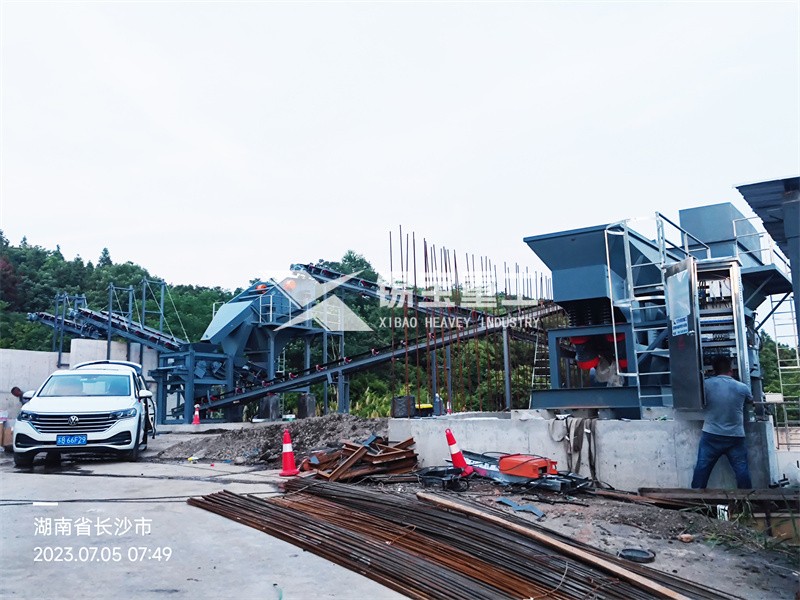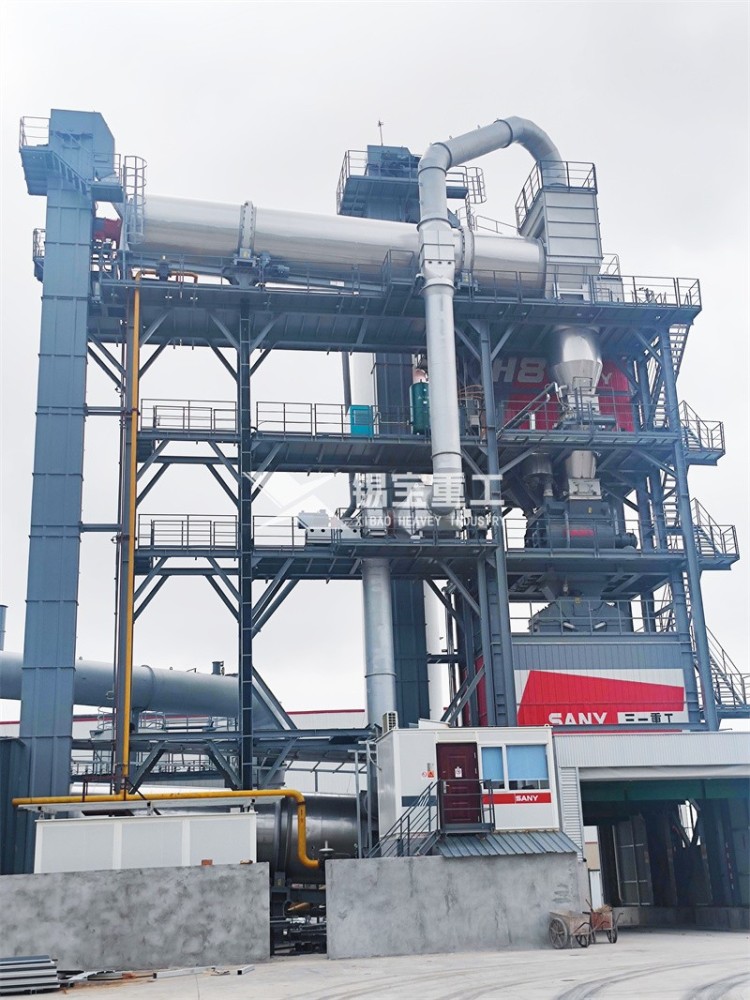
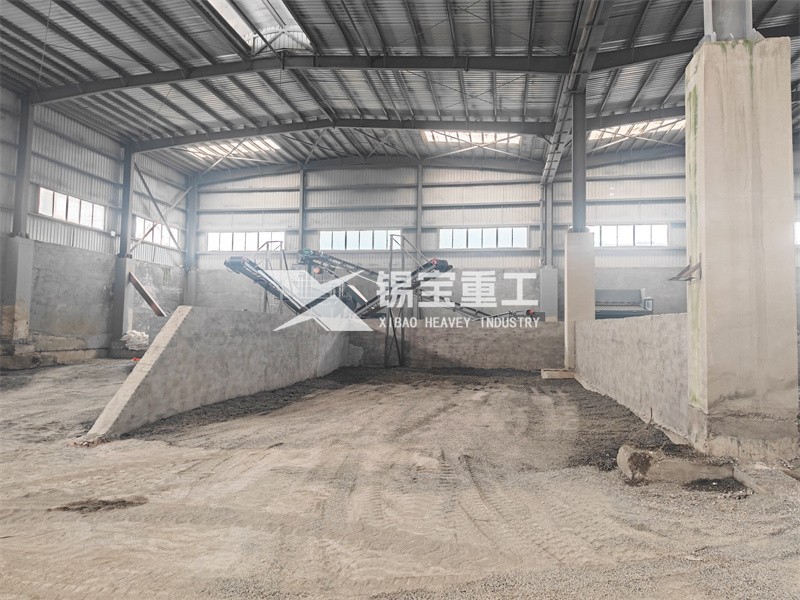
Milled asphalt crusher is specialised processing equipment built to convert raw milled asphalt into qualified reclaimed asphalt pavement, commonly known as RAP. Road milling operations produce large clumps of aged asphalt material that cannot go directly into asphalt mixes. Without targeted crushing and sizing, sticky asphalt chunks fail grading tests and create inconsistent results in hot mix asphalt production. This dedicated crusher breaks down milled asphalt, separates agglomerated lumps, and delivers uniform RAP that meets road construction specifications for reuse in new pavement, road base and cold recycling projects.
What Is Reclaimed Asphalt Pavement
Reclaimed Asphalt Pavement, or RAP, is the material recovered when old asphalt roads are milled, removed or reconstructed. It contains natural aggregate coated with residual asphalt binder, making it one of the most widely recycled construction materials globally. Raw millings from road planers are often clumped and uneven. A milled asphalt crusher turns this waste stream into a valuable engineered material that can be blended back into asphalt batches, rather than sent to landfills. Properly processed RAP helps asphalt producers reduce reliance on virgin rock and fresh bitumen while supporting green infrastructure requirements.
Why Standard Crushers Are Not Ideal for RAP
Ordinary stone crushers are designed for hard, dry rock. When used on milled asphalt, sticky aged binder easily sticks to crushing surfaces, causes blockages and smears aggregate. Over-crushing damages the original stone structure inside the asphalt and ruins particle gradation.
Milled asphalt crushers are engineered around the unique traits of asphalt millings. Anti-clogging rotor geometry, optimized crushing gaps and wear-resistant liners handle viscous asphalt efficiently. The crushing action splits clumps apart while preserving aggregate integrity. This design delivers stable gradation, reduces downtime from jamming and maintains consistent RAP quality batch after batch.
How Milled Asphalt Crusher Produces Qualified RAP
The RAP processing workflow starts with feeding raw milled asphalt into the crusher. After primary crushing, material moves to screening equipment to separate oversized chunks. Any oversize is sent back for re-crushing in a closed circuit until it reaches the target particle size.
Operators adjust the crusher gap to match project mix designs. Different finished sizes serve different purposes: fine graded RAP for hot mix blending, coarser fractions for subbase and road stabilisation. The complete crushing and screening process gives asphalt plants predictable, repeatable material that lab technicians can safely add into mix formulas within local authority limits.
Economic and Environmental Benefits of RAP Processing
Using milled asphalt crusher to produce RAP brings clear financial gains for road contractors and asphalt producers. Recycling milled asphalt cuts landfill fees and the cost of hauling waste material. Less virgin aggregate and bitumen are purchased, lowering the overall material budget for every ton of finished asphalt.
Environmentally, RAP recycling conserves natural stone resources and reduces carbon emissions from quarrying, transport and binder manufacturing. Many highway and municipal projects now reward contractors with recycling credits, or require a minimum percentage of recycled material in pavement layers. Businesses equipped to process RAP gain a competitive edge when bidding for road rehabilitation contracts.
Flexible Deployment Options for RAP Crushing
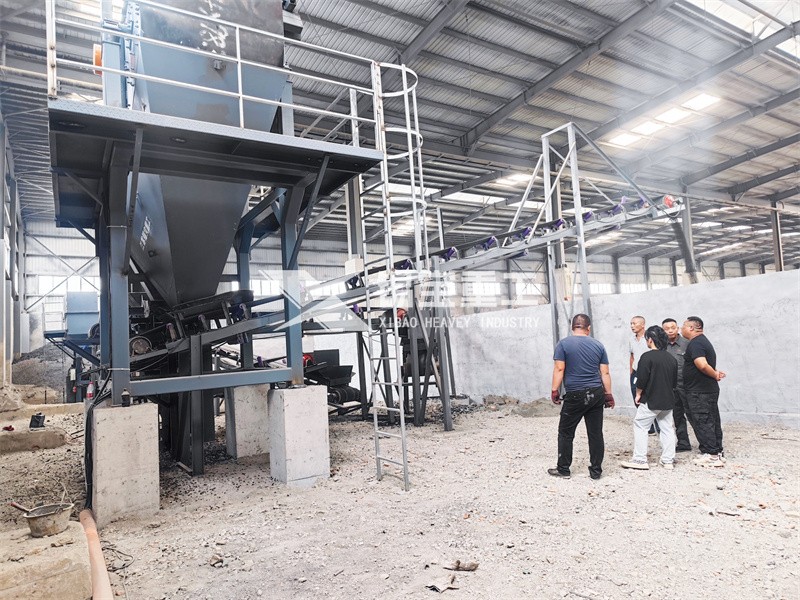
Milled asphalt crushers for reclaimed asphalt pavement are available in both stationary and portable configurations. Stationary crushing lines are installed at permanent recycling yards or asphalt mixing plants for high-volume, year-round RAP production. Portable trailer or tracked crushers travel directly to milling sites for on-site processing, cutting hauling distances for large road projects.
Contractors select the setup based on material supply volume, job locations and available space. Smaller operators often prefer portable units, while large asphalt producers rely on stationary closed-loop crushing systems paired with stockpile management.
Practical Guidance for Equipment Selection
When selecting a milled asphalt crusher for RAP production, match machine capacity to your daily milling volume. Confirm the maximum feed size and adjustable discharge range to align with your mix specifications. Anti-blocking structure is essential, especially in warm climates where asphalt binder softens and becomes stickier.
Also evaluate maintenance access, spare wear parts availability and power type. Diesel power works for remote jobsites without grid electricity, while electric drives are preferred for fixed recycling yards to lower running costs. Integrated dust suppression is recommended to meet local worksite environmental rules.
Frequently Asked Questions
Can crushed RAP be used in hot mix asphalt?
Yes. Once crushed and screened to the required grading, RAP can be incorporated into hot mix asphalt within the allowable proportion defined by local road standards. Many asphalt plants regularly use RAP to optimise mix cost and sustainability.
What particle sizes can be achieved with a milled asphalt crusher?
Discharge size is fully adjustable. Common finished gradations range from 0–10mm, 0–20mm and 0–30mm for surface mixes, base layers and subbase applications.
Does RAP quality depend only on the crusher?
The crusher is critical, but consistent stockpile management, moisture control and proper screening also affect final RAP quality. Closed-circuit crushing with vibrating screens delivers the most reliable results for commercial asphalt production.
Get Reliable RAP Crushing Solutions
If you need a durable milled asphalt crusher for reclaimed asphalt pavement processing, we supply crushing equipment optimised for sticky asphalt millings. Our machines support both stationary recycling yards and on-site road jobs, delivering stable gradation and low blockage rates. Contact our technical team to review capacity options, layout plans and real project references.
Tags: